Microcirculation: How to Improve Circulation Naturally (And Why It Matters More Than You Think)
When people talk about “improving circulation,” they usually mean big-picture blood flow.
But the real magic happens in the smallest blood vessels in your body.
It’s called microcirculation — and it’s where oxygen delivery, nutrient exchange, and cellular repair actually happen.
If you want better muscle recovery, warmer hands and feet, clearer thinking, and healthier-looking skin, supporting microcirculation is foundational.
Not dramatic.
Foundational.
What Is Microcirculation?
Microcirculation refers to blood flow through the smallest blood vessels:
Capillaries
Arterioles
Venules
These tiny vessels deliver oxygen and nutrients directly to tissues and remove metabolic waste.
Your arteries move blood around.
Your capillaries feed your cells.
If microcirculation is sluggish, tissues don’t receive optimal oxygen delivery. And when oxygen delivery drops, recovery slows, inflammation lingers, and energy dips.
This is why improving microcirculation naturally can have whole-body effects.
Signs of Poor Microcirculation
Sluggish microcirculation can show up as:
Cold hands and feet
Numbness or tingling
Slow muscle recovery
Lingering soreness
Puffy or stagnant-feeling tissue
Dull skin tone
Brain fog
These aren’t dramatic symptoms.
They’re subtle signs of reduced blood flow at the microvascular level.
What Affects Microcirculation?
Several factors can impair microcirculation and small blood vessel function:
Chronic stress
Sedentary lifestyle
Inflammation
Blood sugar instability
Smoking
Poor sleep
Stress, in particular, plays a major role. When your nervous system stays in fight-or-flight mode, blood flow is redirected away from tissue repair and toward immediate survival functions.
Translation: your muscles and extremities lose priority.
How to Improve Microcirculation Naturally
The goal isn’t intensity.
It’s consistency.
1. Daily Movement
Regular walking, stretching, and light strength training help improve circulation by stimulating muscle contractions that push blood through small vessels.
Consistent movement is one of the most effective natural ways to improve microcirculation.
Even short walks increase capillary blood flow.
2. Heat Therapy
Heat promotes vasodilation — the widening of blood vessels — which improves circulation and enhances oxygen delivery to tissues.
Warm compresses, warm showers, or heated muscle salves can support localized microcirculation and muscle recovery.
3. Massage and Arnica Salve
Massage increases blood flow and stimulates capillary circulation in targeted areas.
When combined with circulation-supporting botanicals, the effect is amplified.
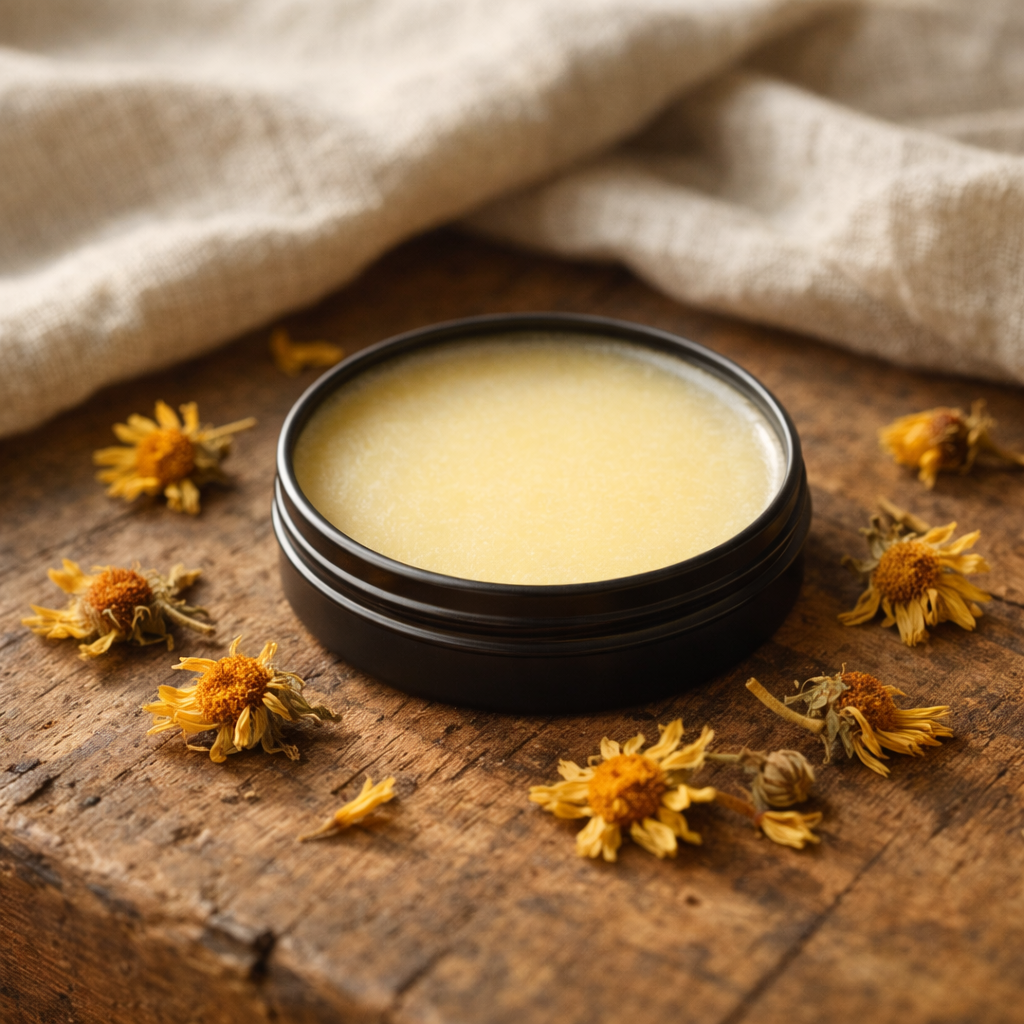
StrangeMakes Arnica Salve is traditionally used to support muscle recovery and improve localized microcirculation through gentle massage.
Arnica salve, in particular, has traditionally been used to support muscle recovery and improve localized circulation. When applied with gentle massage, arnica may help:
Stimulate surface-level blood flow
Support microvascular circulation
Reduce the sensation of soreness
Promote tissue recovery
The mechanism is simple:
Massage increases circulation.
Botanicals stimulate the tissue.
Improved microcirculation enhances oxygen and nutrient delivery.
It’s not hype.
It’s physiology.
4. Contrast Therapy
Alternating warm and cool exposure encourages vascular responsiveness. Heat dilates blood vessels; cold constricts them.
This alternating effect can stimulate microvascular function and support healthy circulation.
No polar plunges required.
5. Slow, Deep Breathing
Oxygen delivery depends on both blood flow and respiratory efficiency.
Slow diaphragmatic breathing improves oxygen exchange and supports vascular tone — both essential for healthy microcirculation.
Your nervous system and your circulation are connected.
Calm the first. Support the second.
Microcirculation and Muscle Recovery
After physical activity, tissues require:
Oxygen
Nutrients
Anti-inflammatory compounds
Efficient waste removal
All of this depends on healthy microcirculation.
If blood flow to small vessels is compromised, muscle recovery slows.
When microcirculation improves, tissue repair becomes more efficient.
This is why gentle movement, warmth, and arnica salve often support recovery better than aggressive interventions.
You’re not forcing the body.
You’re increasing flow.
The Real Secret to Better Circulation
Improving circulation naturally isn’t about extreme protocols.
It’s about supporting the smallest systems consistently.
Microcirculation is quiet work.
But it determines how well your tissues function, how quickly you recover, and how efficiently oxygen reaches your cells.
Support the small vessels.
The big systems follow.
Walk daily.
Use warmth intentionally.
Massage sore areas with arnica salve.
Breathe slower than you think you should.
Tiny vessels.
Real impact.
Stay steady.
Stay strange.
— Wendi