
Tea: What the Research Shows (in plain English)
1. Tea Drinkers Tend to Live Longer
Large population studies have consistently found that people who drink tea regularly—both caffeinated and herbal—have:
Lower risk of cardiovascular disease
Reduced all-cause mortality
Better markers of metabolic health
In other words: daily tea drinkers age better overall.
Researchers believe this comes down to long-term exposure to plant compounds that support the body’s repair systems rather than overstimulating them.
2. Chronic Inflammation = Faster Aging
Aging isn’t just about time—it’s about inflammation.
Low-grade, chronic inflammation (sometimes called inflammaging) is linked to:
Joint pain
Heart disease
Cognitive decline
Insulin resistance
Many herbs commonly used in tisanes contain polyphenols and flavonoids, compounds shown to:
Reduce inflammatory signaling
Neutralize oxidative stress
Support cellular health over time
This doesn’t happen overnight—but it adds up beautifully over years.
3. Antioxidants Work Best When They’re Gentle
Longevity research has shifted away from megadoses and toward consistent, low-level antioxidant intake.
Herbal tisanes provide:
A wide variety of plant antioxidants
Small, repeatable doses
Synergistic compounds that work together
This supports:
DNA protection
Mitochondrial health
Slower cellular wear and tear
Think maintenance, not miracles.
Herbs Often Studied for Longevity Support
Hibiscus
Widely researched for:
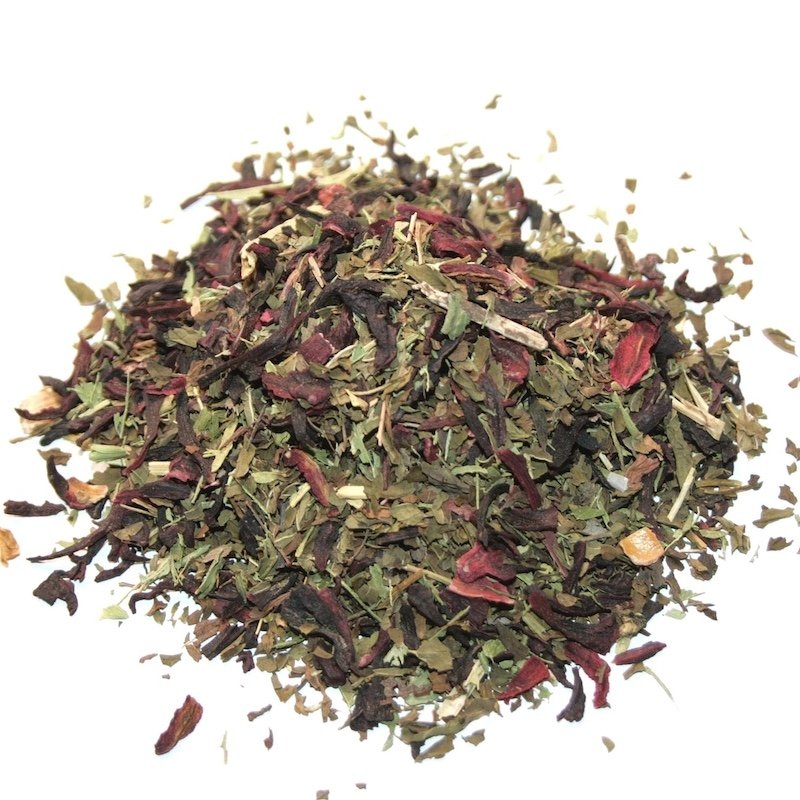
Teas like our Gypsy Juice showcase hibiscus in its most useful form — daily, drinkable, and thoughtfully blended.
Supporting healthy blood pressure
Improving cholesterol markers
Protecting cardiovascular health
Its deep red color comes from anthocyanins—potent antioxidants tied to vascular longevity.
Chamomile
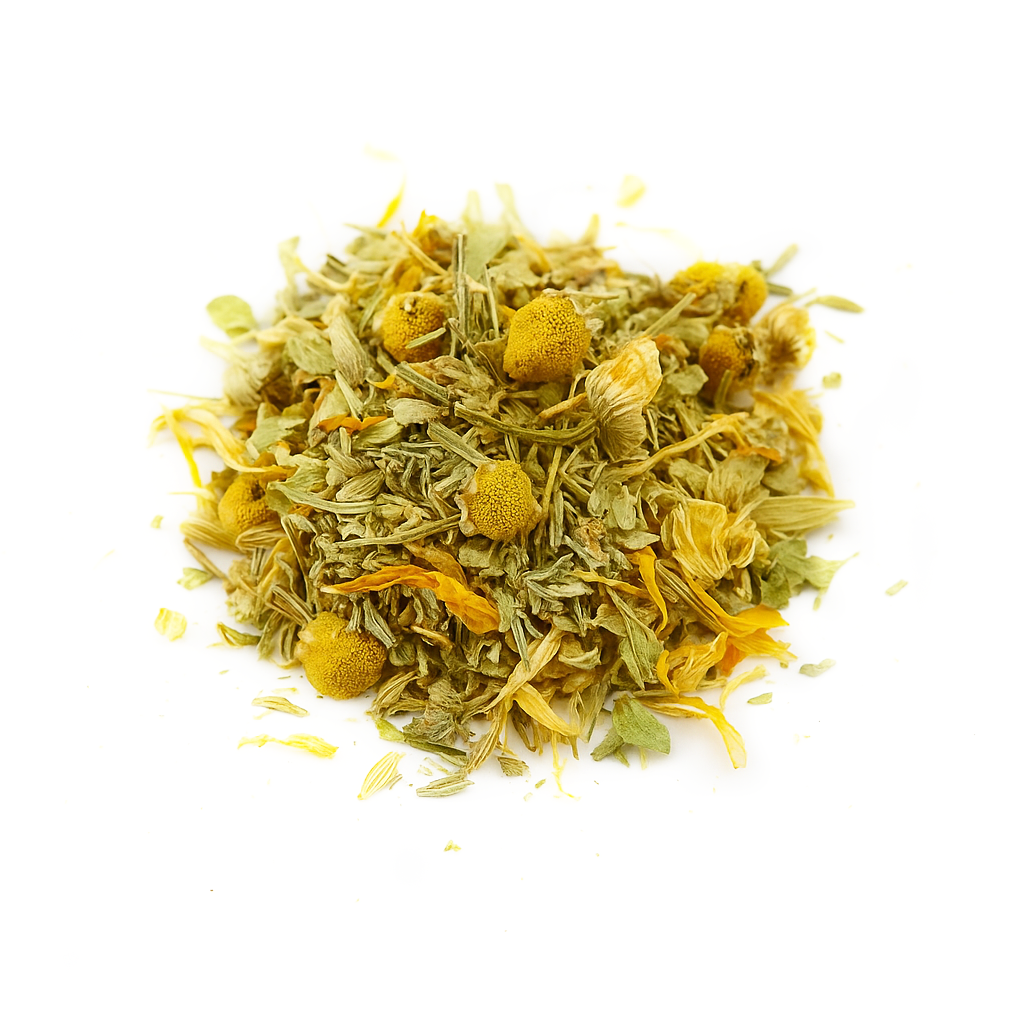
Our Dream Team leans on chamomile for nightly consistency.
Often associated with:
Improved sleep quality
Reduced stress markers
Sleep is one of the strongest predictors of long-term health and longevity, and chamomile shows up repeatedly in studies on rest and nervous system balance.
Peppermint
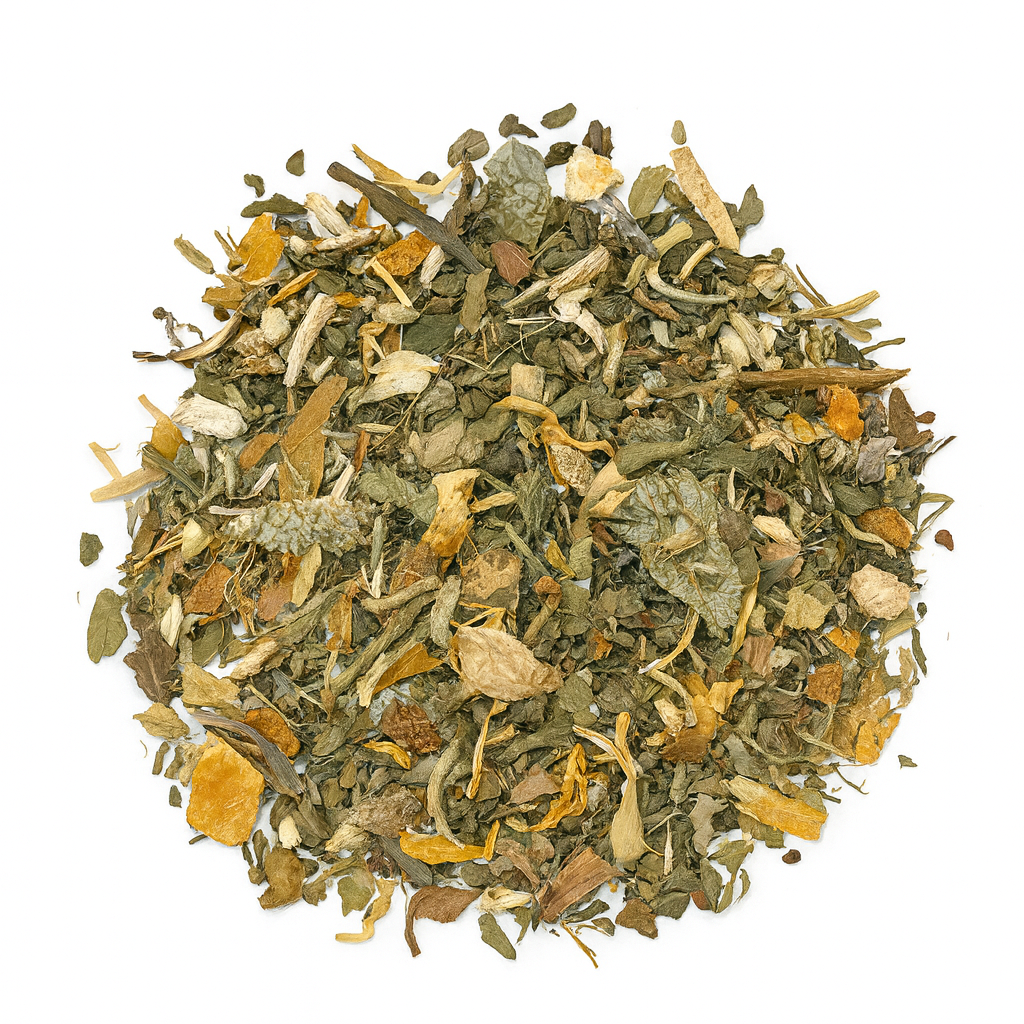
Blends like our Deep Breath lean on peppermint for steady, everyday immune and respiratory support.
Supports digestion and gut comfort—which matters more than most people realize.
Gut health plays a major role in:
Immune regulation
Inflammation control
Nutrient absorption
Longevity doesn’t start in the face—it starts in the gut.
One of the Biggest Longevity Factors No One Talks About: Ritual
Here’s where science and real life overlap beautifully.
Regular tea rituals:
Lower cortisol (stress hormones)
Activate the parasympathetic nervous system
Encourage slower, more mindful behavior
Replace habits that age us faster (late-night alcohol, constant caffeine, skipped meals)
Chronic stress accelerates aging at the cellular level.
Tea rituals gently reverse that trend.
What Herbal Tisanes Aren’t
Let’s be clear (because honesty matters):
Herbal teas are not:
Instant cures
Anti-aging miracles
Replacements for medical care
They are:
Daily, supportive tools
Low-risk, long-term habits
One of the easiest ways to care for your body consistently
And consistency is where longevity lives.
The StrangeMakes Takeaway
Longevity isn’t built on extremes.
It’s built on small acts of care repeated over time.
A nightly cup of herbal tea:
Signals safety to your nervous system
Supports sleep and digestion
Reduces inflammatory load
Becomes a habit you can keep for decades
That’s not trendy.
That’s effective.
Tea consumption and longevity
Zhang, Y., et al. (2022). Habitual tea consumption and risk of cardiovascular disease and all-cause mortality. European Journal of Preventive Cardiology.
Wang, X., et al. (2020). Association of tea consumption with mortality from cardiovascular disease and all causes. **British Medical Journal (BMJ).
Inflammation, aging (“inflammaging”), and oxidative stress
Franceschi, C., & Campisi, J. (2014). Chronic inflammation (inflammaging) and its potential contribution to age-associated diseases. Journals of Gerontology Series A.
Furman, D., et al. (2019). Chronic inflammation in the etiology of disease across the life span. Nature Medicine.
Polyphenols, antioxidants, and cellular aging
Pandey, K. B., & Rizvi, S. I. (2009). Plant polyphenols as dietary antioxidants in human health and disease. Oxidative Medicine and Cellular Longevity.
Joseph, J. A., et al. (2009). Nutritional modulation of brain aging. Journal of Neuroscience.
Hibiscus and cardiovascular health
Serban, C., et al. (2015). Effects of hibiscus tea on blood pressure: a systematic review and meta-analysis. Journal of Hypertension.
Hopkins, A. L., et al. (2013). Hibiscus sabdariffa L. in the treatment of hypertension. Phytomedicine.
Chamomile and sleep/stress
Zick, S. M., et al. (2011). Chamomile extract for generalized anxiety disorder. Journal of Clinical Psychopharmacology.
Adib-Hajbaghery, M., et al. (2017). The effects of chamomile on sleep quality. Complementary Therapies in Medicine.
Peppermint, digestion, and gut comfort
McKay, D. L., & Blumberg, J. B. (2006). A review of the bioactivity and potential health benefits of peppermint tea. Phytotherapy Research.
Cash, B. D., et al. (2016). Peppermint oil for functional gastrointestinal disorders. Digestive Diseases and Sciences.
Stress, rituals, and aging biology
Epel, E. S., et al. (2004). Accelerated telomere shortening in response to life stress. Proceedings of the National Academy of Sciences.
Pascoe, M. C., et al. (2017). Stress and inflammation: a systematic review. Psychoneuroendocrinology.