The Median Nerve
It never fails.
At every single vendor show, without exception, at least a handful of people step up to my booth, point to the exact same spot on their hand, and say something like:
“Right here. This is where it hurts.”
Not generally.
Not kind of.
But with confidence. Like they’ve discovered a secret portal of pain.
And time and time again, I get to be the person who gently says:
“Ahhh. Yep. That stinks like nerve pain.”
Cue the confusion.
Cue the blinking.
Cue the wait… what? face.
Because what they’re feeling isn’t a muscle throwing a tantrum or a joint being dramatic—it’s their median nerve, quietly (or not so quietly) protesting the way modern life is treating it. And sadly nerves are super quick to get angry and they take forever to chill out.
Good news: there is something you can do about it.
And it doesn’t require:
A doctor
A surgeon
A pharmacist
Health insurance
A second mortgage
Or sacrificing a goat under a full moon while chanting in Latin
No referrals.
No co-pays.
No “we’ll see you again in six months.”
Bad news: It doesn’t involve a magic wand.
However, just a simple, gentle technique that helps your nerve calm down and remember how to behave will leave you feeling hopeful.
Friendly heads-up before we continue:
I am not a doctor. I do not play one on the internet. I did not stay at a Holiday Inn Express last night. This information is for educational purposes only and is not intended to diagnose, treat, cure, or replace medical advice from a qualified healthcare professional. If your pain is severe, worsening, sudden, or doing something that makes you go, “Hmm… that doesn’t seem right,” please stop and talk to a licensed medical professional who has diplomas on the wall and malpractice insurance. Use your best judgment. Listen to your body. And when in doubt—get checked out. But, if you would like to continue learning how to floss please read on.
So… What Is the Median Nerve (and Why Is It Being So Dramatic)?
The median nerve is one of the main communication highways running from your neck, down your arm, and into your hand. It helps control sensation and movement in your:
Thumb
Index finger
Middle finger
Part of your ring finger
Translation:
👉 It’s responsible for a lot of what your hands do all day.
When this nerve gets irritated, compressed, or overstimulated (hello modern life), it can show up as:
Tingling or numbness
Zapping or burning sensations
Weak grip
Wrist pain
Thumb pad pain
“Why does my hand feel annoyed?”
If you use your hands a lot—makers, herbalists, parents, desk dwellers, doom-scrollers—this is extremely common. And extremely fixable.
Median Nerve Flossing: Not As Weird As It Sounds
Median nerve flossing (also called nerve gliding) is a gentle movement that helps the nerve slide smoothly through surrounding tissues instead of getting stuck and cranky.
Think of nerve irritation like:
A hoodie string that won’t pull through
A garden hose with a kink
Headphones tangled in your pocket
When nerves don’t move well, they complain. Loudly.
When they glide well, they calm down, do their job, let you do your job and keep you from paying your surgeons mortgage.
Flossing helps restore movement, circulation, and comfort—without forcing anything.
This is not “push through the pain” energy.
This is “listen to your body and respond accordingly” energy.
Why This Helps With Hand Pain
Median nerve flossing can help because it:
✨ Reduces nerve irritation
Less compression = less yelling from your nervous system.
✨ Improves circulation
Better blood flow means better healing and happier tissues.
✨ Decreases tingling and numbness
That buzzy, pins-and-needles feeling? Often a nerve asking for space.
✨ Supports strength and coordination
Clear nerve signals = muscles that know what they’re supposed to do.
✨ Helps your hands relax
Which is great, because tense hands are exhausting to live with.
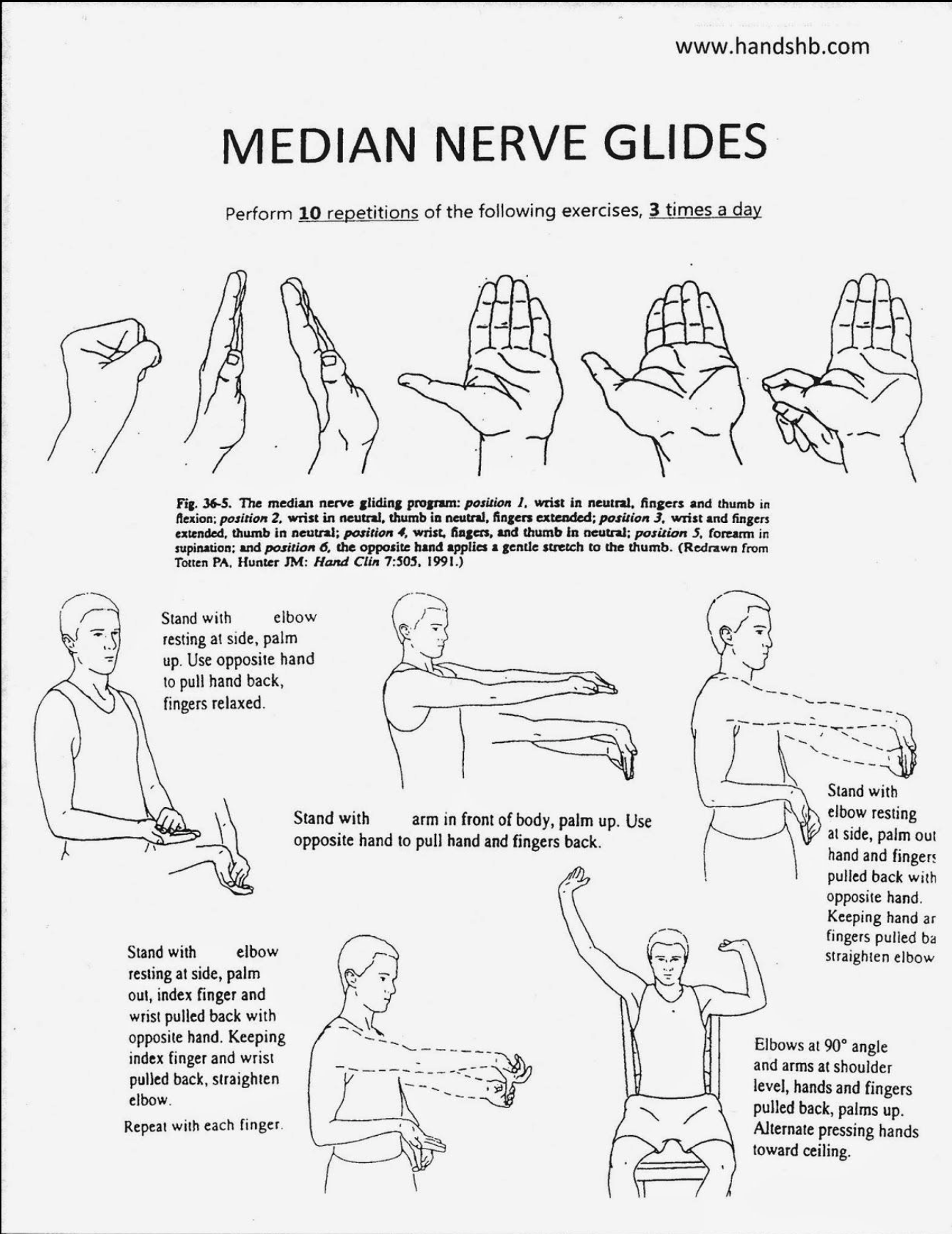
How to Floss Your Median Nerve (see attached infographic)
Remember: Gentle. Slow. Respectful. If it hurts, back off. —no jerking, no forcing, no dramatic flair
Repeat 5–10 times, two to three times a day.
You should feel a mild stretch or sensation—not pain.
Consistency > Intensity (Nerves Don’t Like One Night Stands)
Just like tooth flossing:
Once is nice
Regularly is life-changing
Daily nerve flossing helps:
Prevent flare-ups
Reduce chronic hand discomfort
Keep nerves mobile as life keeps demanding things of your hands
This is maintenance.
Not crisis control.
Pair It With Supportive Topical Care
Achieve quicker results when surrounding tissues are relaxed and supported.
✨ Arnica Salve can help calm overworked muscles along the nerve pathway
✨ Purple Grass Balm encourages comfort and circulation
Your hands will notice and you will too! You’re Welcome!